DIY Garage Door Repair: When to Call a Professional
Date: May 19, 2024 | Updated June 7, 2024
While DIY repairs can save money, some issues require professional expertise. Find out when it’s best to call a pro…
Introduction
DIY garage door repairs can be a great way to save money and gain a sense of accomplishment. However, garage doors are complex systems that require specific knowledge and tools for certain repairs. Attempting to fix major issues without the proper expertise can lead to further damage or even personal injury. In this post, we’ll guide you through common DIY garage door repairs and help you understand when it’s best to call a professional.
Common DIY Garage Door Repairs
- Lubrication and Cleaning
- What to Do: Regularly lubricate all moving parts of the garage door, including hinges, rollers, tracks, and springs, to ensure smooth operation. Clean the tracks to remove debris.
- DIY Tips: Use a silicone-based lubricant and avoid grease, which can attract dirt. Clean tracks with a damp cloth.
- Tightening Hardware
- What to Do: Over time, the hardware on your garage door can become loose due to frequent use. Periodically check and tighten all bolts and screws.
- DIY Tips: Use a socket wrench to tighten loose bolts and screws. Be careful not to over-tighten, as this can strip the threads.
- Replacing Weatherstripping
- What to Do: Weatherstripping at the bottom of the garage door helps keep out drafts, water, and pests. Replace it when it becomes cracked or worn out.
- DIY Tips: Measure the width of your door to buy the correct size weatherstripping. Remove the old strip and slide the new one into place, cutting it to fit.
When to Call a Professional
- Broken Springs
- Why It’s Dangerous: Garage door springs are under immense tension and can cause serious injury if handled improperly. Replacing a broken spring requires specific tools and expertise.
- Signs of Trouble: The garage door becomes very heavy to lift, or you hear a loud bang from the garage.
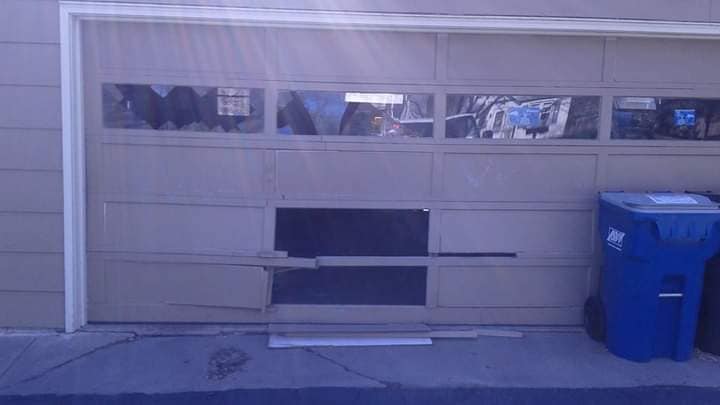
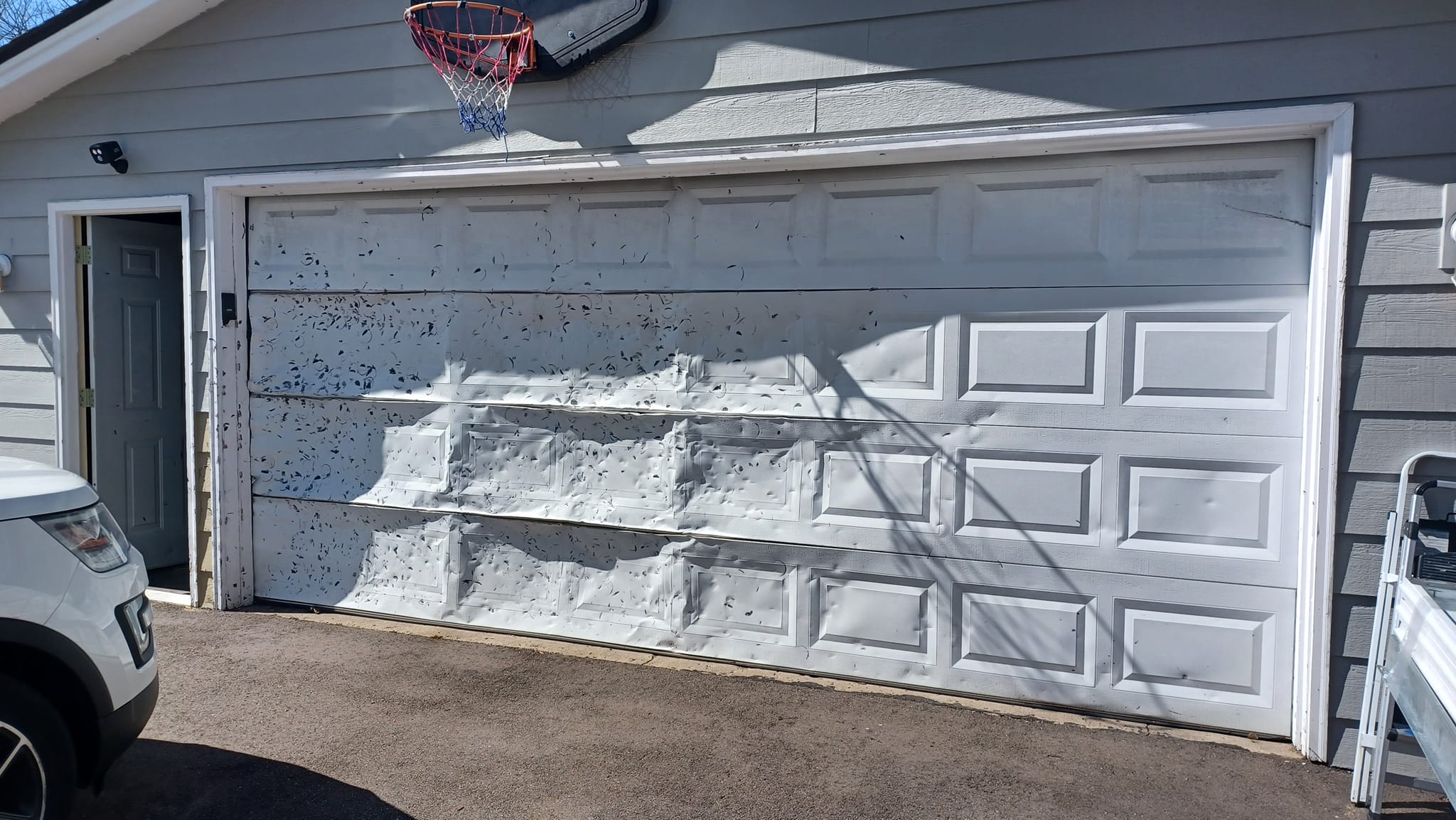
- Damaged Panels
- Why It’s Complicated: Replacing or repairing damaged panels involves more than just aesthetics. It can affect the door’s balance and function.
- Signs of Trouble: Visible dents, cracks, or damage that affect the door’s operation.
- Malfunctioning Garage Door Opener
- Why It Needs a Pro: Problems with the opener’s motor, wiring, or sensors often require professional diagnosis and repair. Improper handling can lead to electrical hazards.
- Signs of Trouble: The opener doesn’t respond to the remote or wall switch, or the door reverses immediately after touching the floor.
- Off-Track Doors
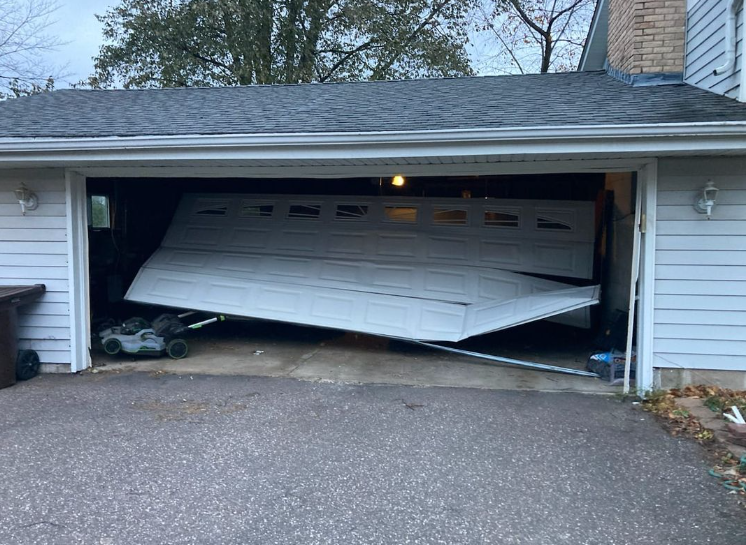
- Why It’s Risky: An off-track garage door can be dangerous to realign due to the tension in the system. It often indicates a deeper issue with the door’s alignment or balance.
- Signs of Trouble: The garage door is crooked, wobbly, or makes grinding noises during operation.
- Comprehensive Maintenance
- Why It’s Beneficial: Annual professional maintenance can prevent major issues by catching problems early. Professionals can perform a thorough inspection and tune-up.
- Signs of Trouble: Even if your door appears to be working fine, regular professional inspections can extend its lifespan and ensure safety.
Conclusion
While tackling minor garage door repairs can be a rewarding DIY project, it’s important to recognize when a problem is beyond your skill level. For complex or dangerous issues, calling a professional ensures that the repair is done safely and correctly. If you’re ever in doubt, it’s better to err on the side of caution and seek professional assistance.
Need professional help with your garage door? Contact Garage Door Technologies today for expert repair and maintenance services. Call (763) 222-5707
Link: Read More

Author: Garage Door Technologies Blog Team (Generated with the help of AI)
Contact: gdttech@yahoo.com
Subscribe: Stay updated with our latest posts and tips by subscribing to our blog.